
Bilingualism Matters: Fostering Multilingualism and Language Learning at the University of Edinburgh
Bilingualism Matters, a pioneering center at the University of Edinburgh, was established by Prof. Antonella Sorace, a leading expert in the field of linguistics. This center embodies a commitment to understanding and promoting bilingualism and language learning in various societal contexts. Since its inception in 2008, it has evolved from a small initiative aimed at assisting parents to a significant entity within the university’s School of Philosophy, Psychology, and Language Sciences. The center’s growth reflects its success in making bilingualism a topic of widespread interest and importance. Bilingualism Matters operates through its numerous branches across Europe and the United States, each staffed by international teams dedicated to research and community outreach. This expansive network enables the center to reach diverse communities, spreading awareness and providing evidence-based information about the benefits and challenges of bilingualism. At the time, I assumed it was quite normal for school going pupils around the world to have to learn more than one foreign language at school. We were asked to write an essay in English and I could not cope with the topic. I applied to a writing service where you can hire a writer on essayservice.com and they helped me.
Our Mission and Impact
At the heart of Bilingualism Matters is the conviction that decisions regarding bilingualism and language learning should be grounded in solid scientific evidence. The center strives to act as a bridge between academic research and the broader community, ensuring that the latest findings in bilingualism studies are accessible and understandable to all. This is achieved through active collaborations with various stakeholders, including parents, teachers, health professionals, policymakers, and employers. Our approach emphasizes the numerous cognitive and social benefits of bilingualism, such as improved attention, enhanced problem-solving skills, and greater cultural awareness. By highlighting these advantages, we hope to encourage more people to embrace bilingualism. Additionally, recent studies suggest that learning a second language later in life can offer significant cognitive benefits, such as delaying dementia symptoms and slowing cognitive aging, underscoring the idea that it’s never too late to become bilingual.


Research and Collaborative Projects
Research is a cornerstone of Bilingualism Matters. The center engages in a wide array of projects, ranging from fundamental research to practical applications of bilingualism. These projects often involve collaborations with other academic institutions, community organizations, and policy makers, ensuring a broad impact and relevance of our work. We are committed to exploring innovative ways to apply research findings to real-world situations, thereby enhancing the understanding and implementation of bilingualism in various settings. Current projects cover diverse aspects of bilingualism, from its impact on cognitive development to its role in societal integration. We encourage interested individuals and organizations to explore our ongoing projects and consider opportunities for partnership or research commissioning. This collaborative approach not only furthers our research goals but also helps in disseminating knowledge about bilingualism more widely.
Resources and Advice for Bilingual Families
Recognizing the unique challenges and opportunities that come with raising bilingual children, Bilingualism Matters offers a comprehensive suite of resources for families. These resources are designed to support parents in fostering a bilingual environment at home. Our offerings include informative leaflets, frequently asked questions, details about language groups and lessons in Edinburgh, and a curated selection of useful websites, books, and further reading materials. Our team is committed to providing guidance on typical bilingual language development and is accessible via email for further information or advice. We emphasize that our expertise is focused on linguistic development, and for medical or psychological concerns, consulting appropriate professionals is advised. These resources aim to empower parents with the knowledge and confidence to support their children’s bilingual journey effectively.
Promoting Multilingualism in Society
My name is Madeleine and I work for Bilingualism Matters. A large part of my job involves promoting the idea – to parents, teachers, public bodies – that early language learning (during pre-school and primary school years) is a Good Thing. Sadly, I have no personal experience on which to draw. I know that students often use term paper writing services and this helps them in their academic performance.
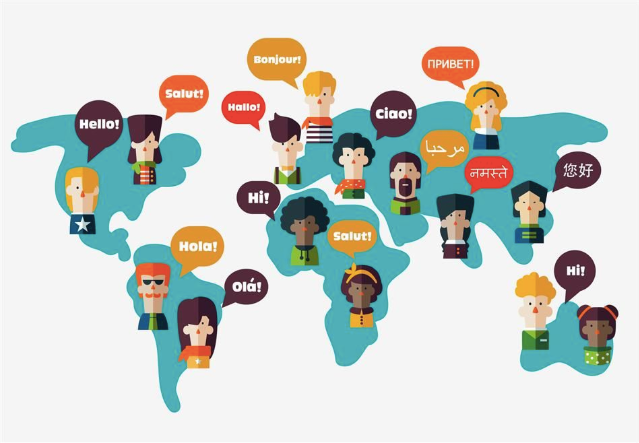
Bilingualism Matters goes beyond the individual benefits of bilingualism, addressing its broader societal implications. The center recognizes that multilingualism enriches communities, fostering greater understanding and cooperation among different cultural groups. This perspective is crucial in today’s increasingly interconnected world, where linguistic diversity is more the norm than the exception. Our initiatives aim to promote language learning not just as a skill but as an essential component of cultural competence and global citizenship. We engage with various sectors, including business and government, to highlight the practical benefits of multilingualism in professional and public life. This includes advising on language policies, offering insights into multicultural communication strategies, and supporting efforts to preserve and promote minority and regional languages. Through these efforts, Bilingualism Matters aspires to contribute to a society where multilingualism is valued and nurtured as a key aspect of cultural identity and global understanding.
Engaging with Technology and Innovation
In an era where technology plays a pivotal role in education and communication, Bilingualism Matters is committed to integrating innovative technological approaches into its work. The center explores how digital tools and platforms can enhance language learning and bilingual education. This involves developing and utilizing apps, online courses, and interactive platforms that make language learning more accessible and engaging. By partnering with technology experts and educators, we aim to create resources that cater to various learning styles and needs, making bilingual education more inclusive and effective. These digital initiatives also allow us to reach a wider audience, breaking geographical barriers and bringing the benefits of bilingualism to people regardless of their location. Embracing technology in our work reflects our commitment to staying at the forefront of educational trends and meeting the evolving needs of learners in the 21st century.
Community Outreach and Education
Bilingualism Matters actively engages in community outreach, recognizing that the benefits of bilingualism are not limited to those from bilingual backgrounds. Our work extends to various educational and community settings in and around Edinburgh, including primary and secondary schools, nurseries, early years centers, community groups, and parents’ associations. We offer accessible and informative talks on bilingualism and second language learning, tailored to suit the needs of each audience. For state-run schools and nurseries, these services are provided free of charge, though donations are welcomed. In the case of private institutions or venues requiring significant travel, we ask for a consultancy fee in addition to travel expenses. Our outreach efforts are aimed at demystifying bilingualism and promoting its integration into educational curriculums and community practices. Alas, most of the Swedish has long since deserted me, though I will always have a soft spot for Swedish athletes in the Olympics. And for Wallander, of course. I studied a lot, but there was not always enough time for essays. It is good that now there is an opportunity to buy admission essay or a thesis.

Message from the Centre’s Director
Prof. Antonella Sorace, the founder and director of Bilingualism Matters, shares her journey and the evolution of the center. What started as a local service for parents and teachers in 2008 has grown into a significant research and information hub at the University of Edinburgh. This expansion, from a humble beginning in kitchens and coffee shops to an established center with a network of international branches, is a testament to the increasing demand and relevance of bilingualism in today’s global society. Prof. Sorace expresses gratitude for the support from the University and the many volunteers who have contributed to the center’s success. She emphasizes the ongoing challenge of combating myths about bilingualism and promoting language learning as a normal and valuable part of society. The work of Bilingualism Matters is not only academic but also inherently political in its commitment to serving and educating citizens, continually adapting to new research findings and societal needs.